RECREATE
Specific objective: SO6 – Promoting the transition to a circular and resource efficient economy
Typology: capitalisation project
The RECREATE project addressed one of the key challenges of the Programme area: the transition towards a circular economy. It proposed a circular economy model for fibre-reinforced composites (FRC), capable of improving environmental sustainability by reducing waste generation and enhancing the management of FRC waste within the Italy-Slovenia Programme area.
Fibre-reinforced composite materials — such as glass fibre, carbon fibre and thermosetting resins — are now widely used in boat components, construction, household appliances, sports equipment and vehicles. Their strength and lightweight properties make them highly valuable, but also difficult to dispose of at the end of their life cycle. Without an organised management system, these materials are often sent to landfill, losing all their intrinsic value and generating significant environmental impacts.
RECREATE gradually developed a complete circular economy model for FRC waste within the Italy-Slovenia Programme area: from separate collection and processing, to recycling and the production of new certified products, and finally to their installation in public spaces and integration into industrial production processes.
RECREATE Partners
The project brought together six organisations from Italy and Slovenia, each playing a specific role within the composite materials value chain.
PP1 – Polo Tecnologico Alto Adriatico "Andrea Galvani" scpa (Lead Partner) – Pordenone, Italy
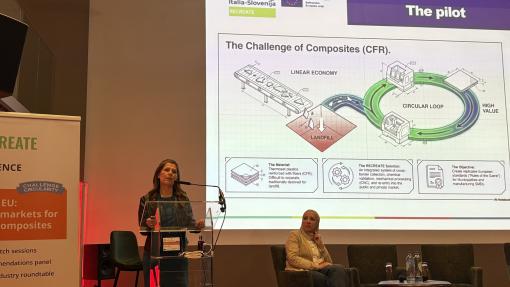
Polo Tecnologico Alto Adriatico acted as the Lead Partner of the project. It ensured the scientific and operational coordination of the partnership, managed external communication and project visibility through social media and the Interreg website, organised all Steering Committee meetings and major events, and supported partners in administrative and financial reporting. The Polo coordinated the production of dissemination materials and represented the project at international events, including the European RECREATE conference “EU Composites Advantage Unveiled”, held at the House of the EU in Ljubljana on 22 May 2025.
PP2 – GEES Recycling – Aviano (Pordenone), Italy
GEES Recycling is an Italian company specialised in recycling fibre-reinforced composite materials through patented mechanical treatment technologies. As the holder of the industrial know-how at the core of the project, GEES carried out all research and development activities, prototyping, material selection, testing and serial production of the new recycled FRC products.
PP3 – Technol – Slovenia
Technol is a Slovenian company producing tanks and generating waste from fibreglass processing. Within RECREATE, it acted as the private-sector demonstrator, collecting and recycling its own industrial FRC waste and proving the feasibility of the circular model in a manufacturing environment. Technol managed the entire cross-border waste export procedure to the Italian recycling facility, contributed to the definition of protocols for Slovenian companies, and received recycled FRC structural panels that were successfully installed in its pilot pumping and wastewater treatment facilities.
PP4 – OZS – Obrtno-podjetniška zbornica Slovenije (Chamber of Craft and Small Business of Slovenia) – Slovenia
OZS is the leading representative organisation for SMEs in Slovenia. Within the project, it played a key role in engaging Slovenian companies, disseminating project results through its business networks, and organising the Slovenian final event. Among other activities, it was responsible for producing the study visit deliverable and coordinated Slovenian-language communication towards associated enterprises.
PP5 – Municipality of Spinea – Metropolitan City of Venice, Italy
The Municipality of Spinea (approximately 27,000 inhabitants in the Venice area) acted as the public-sector demonstrator of the circular model. It organised the separate collection of urban FRC waste, involved the waste management company VERITAS Spa, implemented an extensive communication campaign targeting citizens, and ultimately reintroduced recycled products into the urban environment through waste bins manufactured from recycled materials and installed in local schools.
PP6 – SDGZ-URES (Council for Sustainable Development) – Slovenia
SDGZ-URES – Slovensko Deželno Gospodarsko Združenje is the cross-sectoral association representing Slovenian entrepreneurs in Italy. It played a key role in drafting procurement protocols for Slovenian manufacturing companies, moderating technical and capacity-building events, and supporting the partnership in understanding cross-border waste transport regulations.
The Project at a Glance
- The project capitalised on some of the strategic results of the RETRACKING project by proposing a recycling methodology capable of introducing new products made from recycled FRC materials into the economic system. The circular economy model was tested by two actors belonging to the value chain: a public authority (the Municipality of Spinea) and a company using FRC materials (Technol).
- The public authority and the private company collected their own FRC waste, sorting and preparing it for recycling.
- The waste collection activities involved both municipal citizens and the employees of the private company. Guidelines for the proper management of FRC waste within the Programme area were developed and can be used by additional waste management companies.
- The collected waste was recycled and transformed into products made from recycled FRC material. These products were certified and subsequently introduced into public spaces of the municipality and into the company's production processes.
- Procurement protocols for FRC products were developed for public authorities and companies within the Programme area, in compliance with Italian and Slovenian regulations.
RETRACKING: The Origins of RECREATE
RETRACKING was a project funded under the Interreg V-A Italy-Slovenia Cooperation Programme 2014–2020 and implemented between 2018 and 2020. Its objective was to address one of the main environmental challenges related to fibre-reinforced composite materials (FRC), such as fibreglass: the management and recycling of end-of-life products.
The project developed an innovative circular economy model aimed at transforming FRC waste into secondary raw materials, reducing landfill disposal and promoting resource reuse. Key objectives included the creation of an efficient collection and recycling system for FRC waste, the development of traceability tools for recycled products, and the testing of innovative solutions for their reintroduction into the market.
Among its most significant achievements were the development of a recycling technology capable of transforming composite waste into new panels and fully recyclable products, the introduction of an RFID-based traceability system, and the creation of a cloud platform to monitor every stage of the process, from waste collection to the production of new products. RETRACKING also demonstrated the feasibility of a circular economy model that can be replicated in other European regions, fostering collaboration among companies, waste operators, public authorities and citizens.
RETRACKING laid the foundations for RECREATE, which builds upon its strategic results by expanding the circular economy model and actively involving public authorities, businesses and citizens in the collection, recovery and reuse of fibre-reinforced composite materials.
If RETRACKING drew the map, RECREATE followed the route, demonstrating that a circular economy model for FRC materials is not only theoretically possible but can also be successfully implemented in a real cross-border context.
The name RECREATE stands for REcovery of Composites, REcycling, Active Territories and Economies, perfectly reflecting the project's mission: giving a second life to fibre-reinforced composite materials by transforming waste into tangible economic resources.
Project Deliverables
The overall objective is to demonstrate the feasibility of the circular economy model and its potential application in both public and private contexts in Italy and Slovenia.
D2.1.1 – Updated Catalogue of FRC Waste in the Programme Area
What it is:
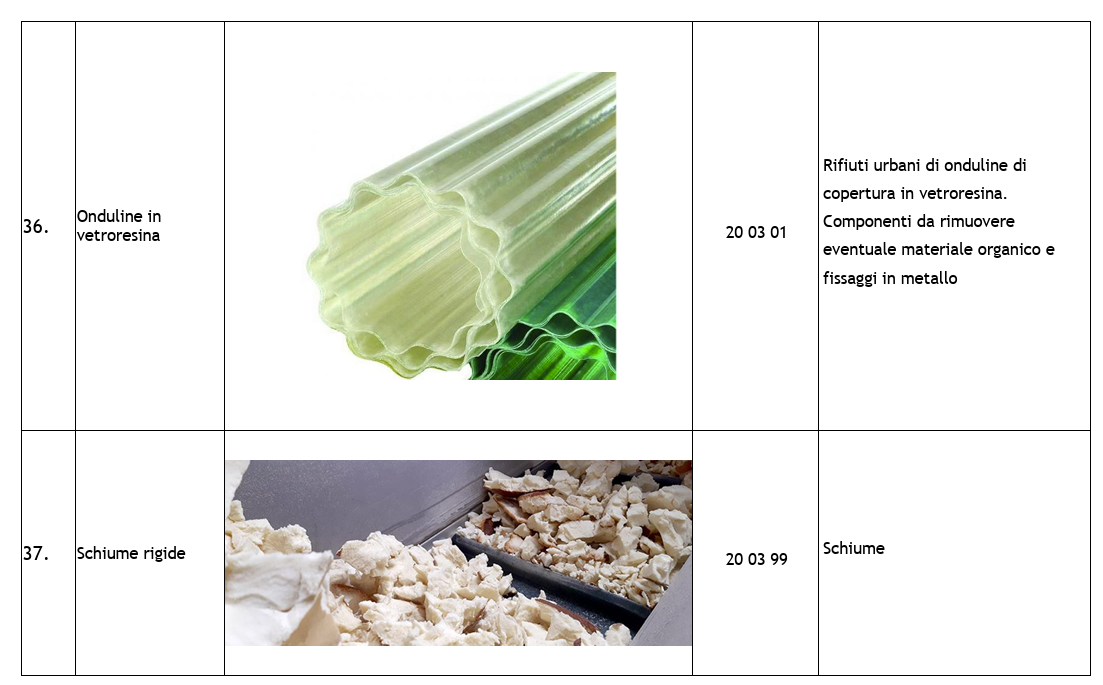
The FRC Waste Catalogue is an operational guide that classifies and describes all categories of waste containing fibre-reinforced composite materials present within the Italy-Slovenia Programme area. It represents the essential starting point for any organisation intending to establish a separate collection system or a management scheme for FRC waste.
What it contains:
The catalogue identifies the main product categories that generate FRC waste at the end of their life cycle (boating, construction, industrial components, sports equipment, household appliances), describes the physical and chemical characteristics of these materials, and provides classification codes in accordance with current regulations (Italian Ministerial Decree 08.04.2008, Annex 1).
It also distinguishes between municipal waste that can be delivered to local recycling centres and special waste requiring dedicated management streams, while providing practical guidance for waste collection operators.
The RECREATE catalogue updates the version developed within RETRACKING by incorporating new operational data derived from the collection experiences carried out by the Municipality of Spinea and Technol, becoming a practical reference tool for the entire Programme area.
D2.3.1 – Guidelines for the Identification, Treatment and Preparation of Waste for Recycling
What it is:
The guidelines are an operational technical document intended for waste utility operators and collection centres responsible for managing FRC materials. They were developed based on the project's direct experience, starting from the technical meeting involving VERITAS, ECO+ECO, the Venice Environmental Basin Authority (Consiglio di Bacino Venezia Ambiente) and the Municipality of Spinea.
What it contains:
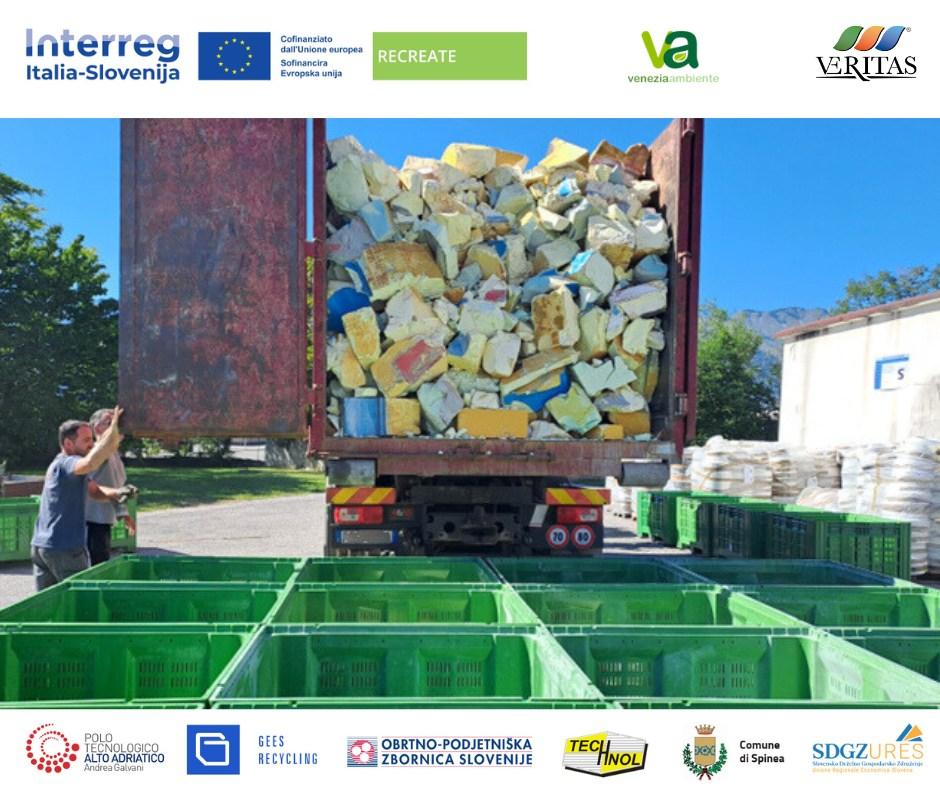
The guidelines provide detailed instructions on how to identify FRC waste among incoming materials at recycling centres; how to separate it from other waste streams; how to package, label and safely store it before transport to recycling facilities; how to document collected quantities; and which health and safety measures should be adopted to protect operators.
The document also includes a section describing the practical experience of the ECO+ECO facility in Fusina, where the selection and dismantling process of the 698 kg of material collected in Spinea was carried out.
These guidelines fill a significant operational gap in the management of urban FRC waste and can be adopted by other waste management utilities within the Programme area and beyond.
Guidelines for Identification, Treatment and Preparation (D2.3.1)
D2.4.1 – Guidelines for the Cross-Border Export of FRC Waste and By-products
What it is:
This document addresses one of the most complex challenges of cross-border circular economy initiatives: the transport of waste from one EU country to another. The case of Technol—which needed to send its FRC waste from Slovenia to GEES Recycling's recycling facility in Italy—provided a real-life opportunity to document all administrative obstacles encountered, the solutions adopted and the lessons learned.
What it contains:
The guidelines explain the European, Italian and Slovenian regulatory framework governing cross-border waste transport. They describe the difference between the "green list" regime (simplified procedure) and the prior notification procedure (the standard and more complex process). They also explain the chemical analyses required to classify waste as non-hazardous.
The document includes the results of the two analyses carried out by Eurochem2000 in Italy and Eurofins in Slovenia, both confirming the non-hazardous nature of Technol's FRC waste.
This deliverable serves as a practical guide for any company within the Programme area intending to establish cross-border exchanges of FRC waste.
Guidelines for Cross-Border Export (D2.4.1)
D2.5.1 and D2.5.2 – Report and Training Materials for Utility Operators
What it is:
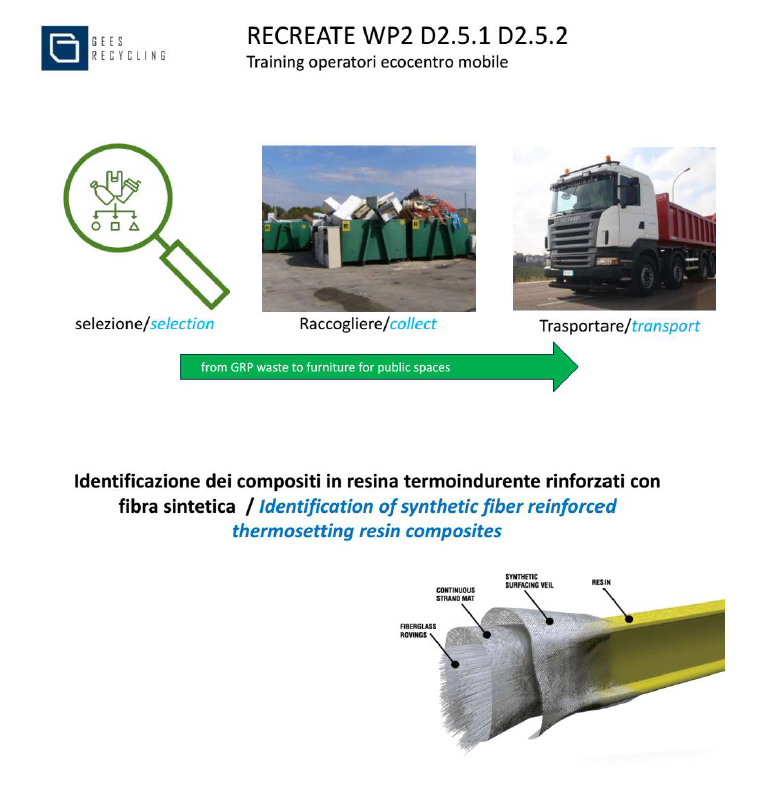
The project implemented a dedicated training programme for VERITAS Spa operators responsible for the collection and sorting of FRC waste at the Mobile Collection Centre of the Municipality of Spinea.
How the training was conducted:
Franco Mioni from GEES Recycling delivered the training session to the managers of the Mobile Separate Waste Collection Centre in Spinea. VERITAS subsequently organised internal meetings to transfer this knowledge to field operators.
The training enabled operators to confidently identify FRC materials among incoming waste, correctly apply separation procedures and answer citizens' questions during collection days.
What the training materials contain:
The training package (D2.5.2) includes technical datasheets on different composite materials, illustrated procedures for manual sorting, information on personal protective equipment and practical examples drawn from the project's experience.
Report on Training Activities for Operators (D2.5.1)
D2.6.1 – Illustrative Report on the Public FRC Waste Collection Campaign
What it is:
This report documents the entire communication and waste collection campaign carried out in the Municipality of Spinea between March and June 2024, including quantitative data on the results achieved.
How the campaign was implemented:
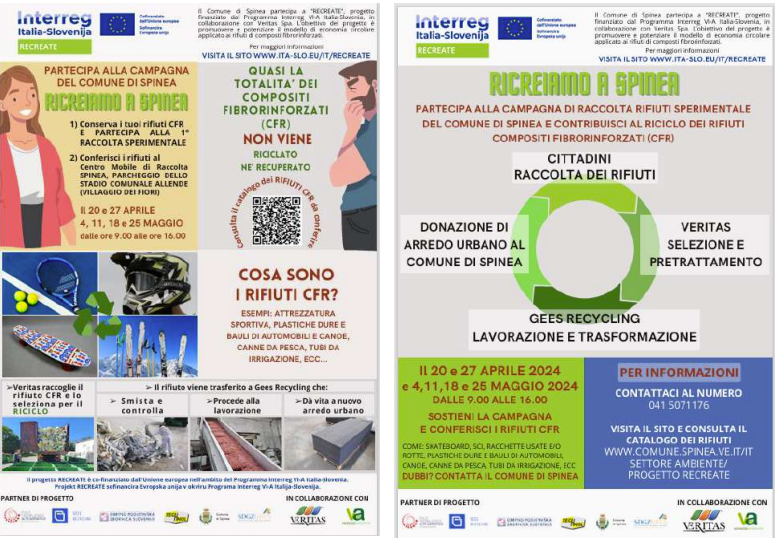
The campaign, entitled "RICREIAMO A SPINEA", reached citizens through multiple communication channels:
- VERITAS utility bills: an information leaflet approved by the Managing Authority (Prot. No. 9760 of 13 March 2024) was attached to all paper and digital utility bills, providing information on accepted waste types, collection dates and procedures;
- Schools: five information days called "RICREIAMO A SPINEA" were organised in local schools, including educational activities and workshops;
- Sports associations: information leaflets were distributed via email to all sports associations registered with the municipality;
- Press conference: held on 4 April 2024 at the Municipality of Spinea Council Chamber;
- Social media: Facebook posts and news articles published on the municipal website at the launch of the campaign (27 March) and at its conclusion (21 June);
- Final press release: presenting the quantitative results and distributed through VERITAS communication channels.
Results achieved:
A total of 698 kg of materials containing FRC elements were collected, thanks to a campaign that reached more than 10,000 citizens.
Illustrative Report on the Public Campaign (D2.6.1)
D2.7.1 – Capacity Building Event Report for Companies
What it is:
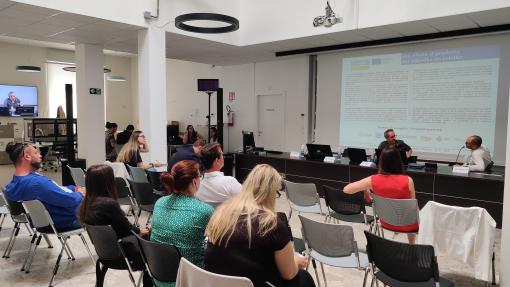
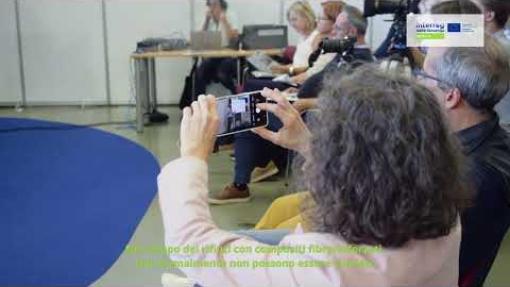
The capacity building event held on 4 June 2025 at the Urban Center in Trieste represented the final awareness-raising and training initiative aimed at companies in the Programme area interested in understanding how to integrate FRC recycling into their value chains.
Topics covered:
The event was organised in a hybrid format, both in-person and online. Franco Mioni from GEES Recycling presented the company's patented recovery technologies and the products that can be manufactured from recycled FRC materials. Matteo Feruglio from SDGZ-URES explained the regulations governing the cross-border transport of waste, while Stefania Santi from APRE presented European funding opportunities supporting circular economy initiatives.
The event also addressed the main regulatory challenges encountered in the classification of mixed FRC waste (plastic and glass fibre composites).
Capacity Building Event Report (D2.7.1)
D3.1.1 – Catalogue of Recycled Circular FRC Products
What it is:
The Circular Products Catalogue is an illustrated collection of all products that can be manufactured from recycled fibre-reinforced composite materials using GEES Recycling's technology.
What it contains:
The catalogue presents two categories of products:
- Finished products for urban furniture and public spaces, including waste bins, benches, bicycle racks, planters, fencing systems and decorative elements;
- Semi-finished materials, such as sheets and panels for industrial applications, including structural supports, plant panelling and construction components.
For each product category, the catalogue provides dimensional specifications, mechanical performance characteristics and potential applications. The catalogue is available in Italian, Slovenian and English.
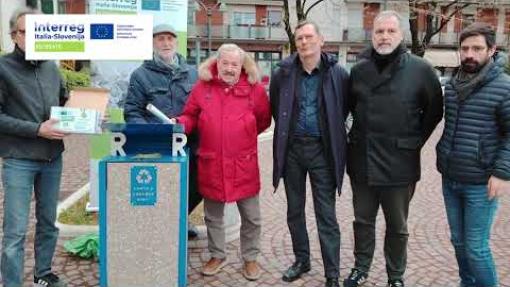
After evaluating the three products proposed by GEES Recycling—waste bins, bicycle racks and benches—the Municipality of Spinea selected waste bins for installation in local schools, aligning the choice with the quantity of FRC waste actually collected during the project.
Catalogue of Circular FRC Products (D3.1.1)
D3.2.1 – Protocol for the Procurement of Circular Products by Italian and Slovenian Municipalities
What it is:
This document explains how public authorities can acquire products made from recycled FRC materials, based on the experience of the Municipality of Spinea, which used the legal instrument of donation to obtain the products.
Prepared in Italian, Slovenian and English, the protocol was completed in August 2024 and later supplemented with an addendum during the final phase of the project, containing the definitive technical specifications.
What it contains:
The document guides municipal officers and public administrations step by step through the procurement process:
- from the political decision-making phase (municipal executive resolution) to the formal acceptance of the donation;
- from the technical description of the products to be acquired (materials, dimensions, performance requirements and certifications) to compliance verification procedures;
- from installation and testing procedures to ordinary and extraordinary maintenance management.
The protocol also includes references to relevant legislation, such as the Italian Public Procurement Code and Minimum Environmental Criteria (CAM), as well as specific provisions of Slovenian legislation.
The technical addendum provides detailed specifications for the waste bins selected by the Municipality of Spinea, making the document a practical guide for any municipality wishing to replicate the experience.
This protocol reduces bureaucratic uncertainty surrounding the adoption of circular products by public administrations and facilitates the purchase—or acceptance through donation—of products made from recycled materials by any municipality within the Programme area.
Procurement Protocol for Municipalities (D3.2.1)
D3.3.1 – Protocol for the Procurement of Circular Products by Slovenian Manufacturing Companies
What it is:
This protocol provides practical tools for manufacturing companies interested in integrating recycled FRC materials into their activities.
What it contains:
The protocol includes three ready-to-use contract templates, available in Italian, Slovenian and English:
- FRC Waste Transport Agreement – regulating the transport of FRC waste from the production site to the recycling facility and providing guidance for the correct management of waste logistics;
- Commercial Purchase Agreement for Circular FRC Products – intended for companies wishing to purchase recycled FRC panels or finished products for integration into their production processes;
- Research and Innovation Purchase Agreement – designed for organisations interested in testing or developing innovative applications using recycled FRC materials.
The protocol was presented during the final project event in Celje in September 2025 and was received with significant interest from the Slovenian companies in attendance.
Procurement Protocol for Companies (D3.3.1)
Click here for all project OUTPUTS
Main Events:
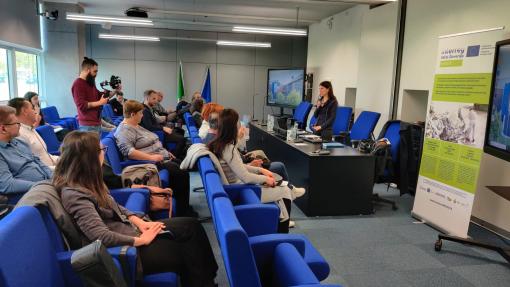
8 April 2025 | Study Visit (Pordenone and Aviano)
A field event titled “The circular supply chain of CFR materials”. Participants, including experts and institutions, visited the Gees Recycling facilities to directly observe the entire processing cycle and the first prototypes developed for the Municipality of Spinea.22 May 2025 | "EU Composites Advantage Unveiled" (Ljubljana)
RECREATE presented its model to European institutions during this international event. With over 100 participants and representatives of the European Commission, the project was showcased as a best practice for circular innovation.Image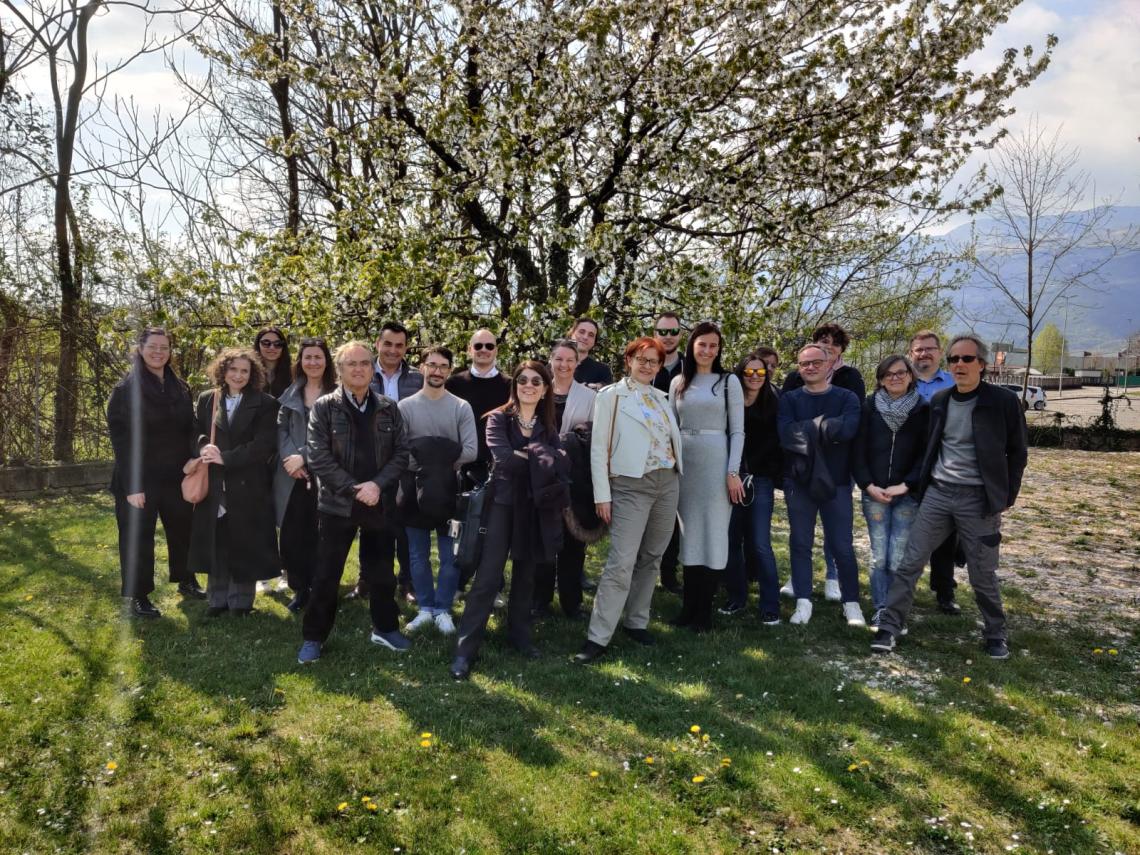
4 June 2025 | Capacity Building for Companies (Trieste)
A technical event held at the Urban Center and dedicated to SMEs, focusing on regulations, CFR waste treatment and market opportunities related to composite recycling, with the participation of sector experts and European agencies.Image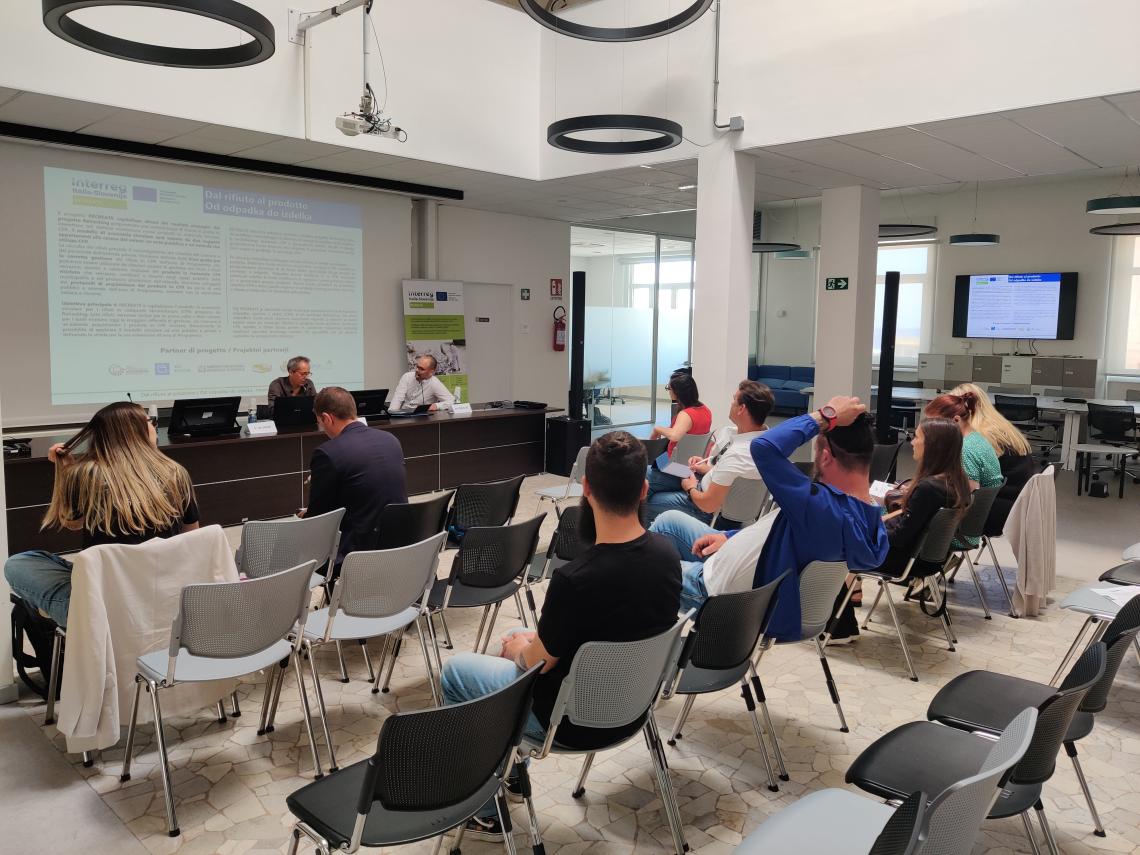
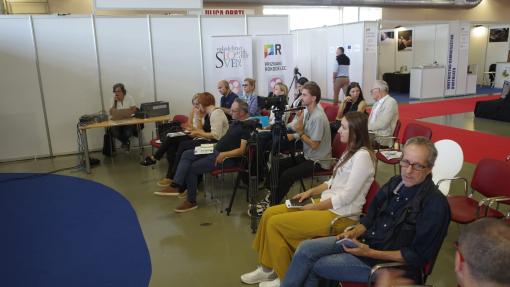
16 and 19 September 2025 | Final Events (Spinea and Celje)
The project conclusion was celebrated with two events.
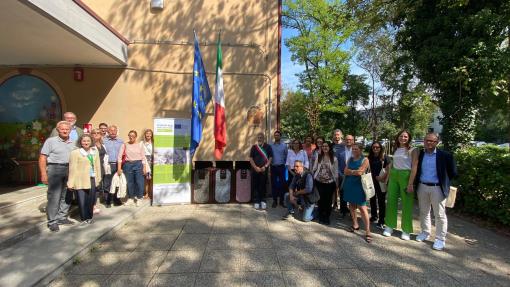
In Italy, in Spinea, the official inauguration of recycled bins took place with the participation of schools and citizens.
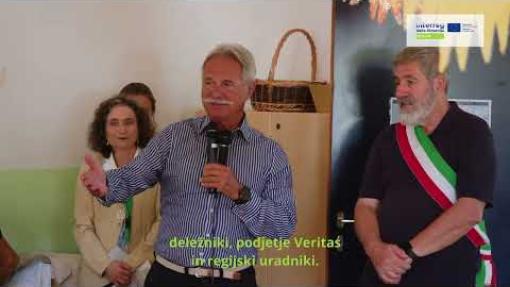
In Slovenia, the results were presented at the international MOS fair in Celje, with broad participation from stakeholders across the Programme area.Image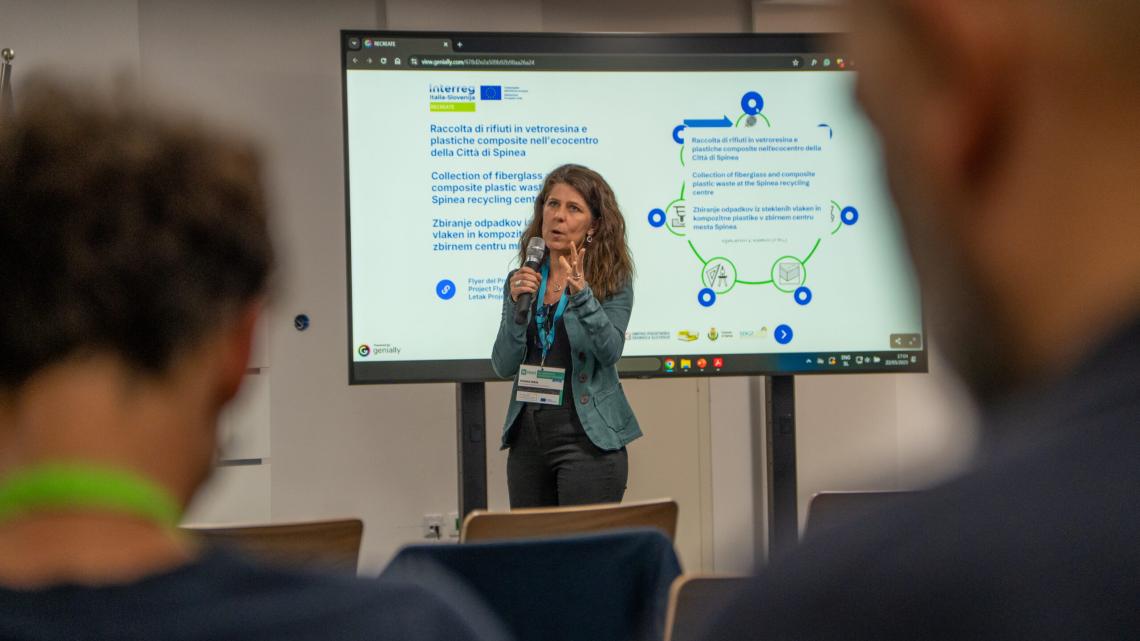
Interactive Multimedia Content (Genially)
As part of the awareness-raising campaign implemented by the Municipality of Spinea, an interactive multimedia resource was developed using the Genially platform, with the aim of bringing citizens, students and stakeholders closer to the topics of circular economy and the proper management of fibre-reinforced composite (FRC) waste.
Through accessible language, visual content, in-depth information and interactive pathways, the resource explains the characteristics of composite materials, the challenges related to their disposal, and the opportunities offered by their recovery and recycling. The tool was used to support the project's information and dissemination activities, helping to make technical content more accessible and engaging while promoting greater environmental awareness among citizens.
Genially content links:
VIEW THE MULTIMEDIA MATERIAL V1
VIEW THE MULTIMEDIA MATERIAL V2
Watch the Videos Produced within the Project
The videos allow anyone—whether a curious citizen, a waste management professional, a municipal officer, or a company—to understand in just a few minutes what CFR (Fibre-Reinforced Composite) materials are, why recycling them is important, and how the circular economy model demonstrated by RECREATE works in practice.
Institutional and Partner Videos
- Project Partner: Polo Tecnologico Alto Adriatico
- Project Partner: Gees
- Project Partner: Technol
- Project Partner: URES
- Project Partner: Municipality of Spinea
- Project Partner: OZS
Project Events and Activities
- Reloaded Materials
- Recycling Composite Materials: Case Studies and Future Perspectives
- RECREATE Study Visit
- Waste Transformation Process
- Final Event in Italy
- Final Event in Slovenia
- Final Overview of the RECREATE Project
- Interview with Paola Spolar, Teacher at Mantegna Primary School
- Interview with Monica Salviato, RECREATE Project Coordinator for the Municipality of Spinea
- Interview with Monica Bellin, Vice Principal of Furlan Institute
- Interview with Franco Bevilacqua, Mayor of Spinea
- Interview with Paolo Gasparini, Teacher at Marco Polo School
- Interview with Vincenzo Franzin, President of the Committee for the Protection of the Environment and Territory
The videos are also available on the project website in the Video section, on the YouTube channel of the Upper Adriatic Technology Park, and some of them are also available on the YouTube channel of the Municipality of Spinea and on the Gees Recycling YouTube channel.
RECREATE YOUTUBE VIDEO PLAYLIST
RECREATE Project Newsletters
The RECREATE newsletters were created to provide stakeholders, public authorities, companies, industry professionals and citizens with regular and transparent updates on project activities and results.
During the project, four newsletters were published in accordance with the RECREATE Communication Strategy and distributed in Italian, Slovenian and English. The newsletters accompanied the key phases of project implementation, providing updates on completed activities, organised events, achieved results and the opportunities offered by the circular economy model applied to fibre-reinforced composite materials (FRC).
Newsletter no.1 RECREATE
Newsletter no.2 RECREATE
Newsletter no.3 RECREATE
Newsletter no.4 RECREATE
Bilingual “RECREATE” Booklet
The booklet was designed with a specific audience in mind: ordinary citizens, particularly younger generations. Produced by the Municipality of Spinea in more than one hundred copies, it was distributed during the final event held in Spinea on 16 September 2025 and remains available for further promotional distribution.
Using a simple and visually engaging approach, it explains what fibre-reinforced composite materials are, why they often end up in landfill, how RECREATE developed an alternative solution, what concrete results were achieved and how readers can contribute to a more circular economy in their everyday lives.
RECREATE Booklet
Next Steps: Building on the RECREATE Model
The RECREATE project has demonstrated that a circular economy model for fibre-reinforced composite materials is technically feasible, economically sustainable and scalable.
The results achieved—including the waste catalogue, operational guidelines, procurement protocols, certified products, videos and training materials—are open resources available to anyone interested in replicating or expanding the experience in other Italian and Slovenian municipalities, in other European regions, or in industrial sectors that generate FRC waste.
These outputs provide a solid foundation for further initiatives aimed at reducing landfill disposal, promoting resource efficiency and accelerating the transition towards a more circular and sustainable economy.